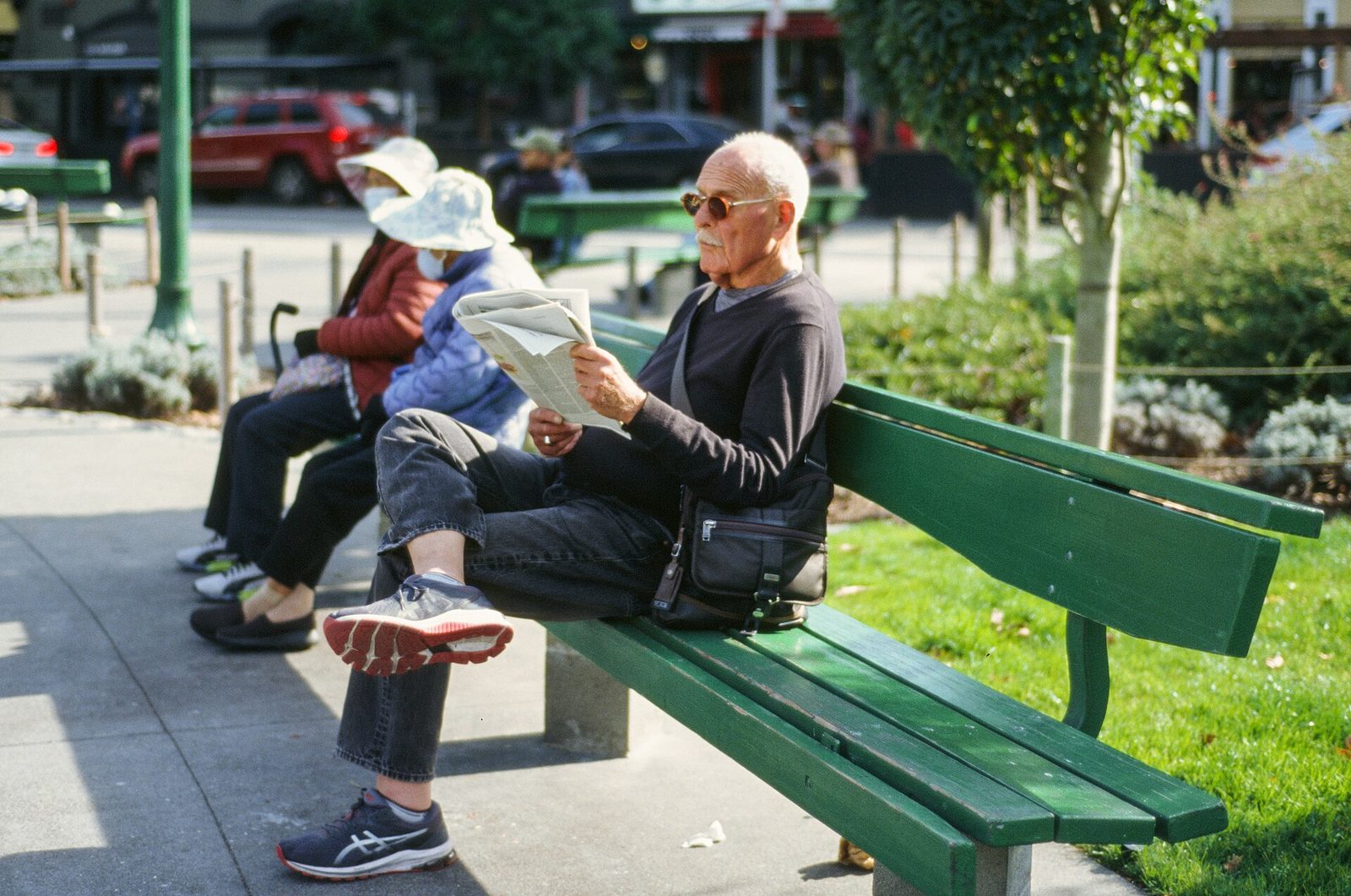
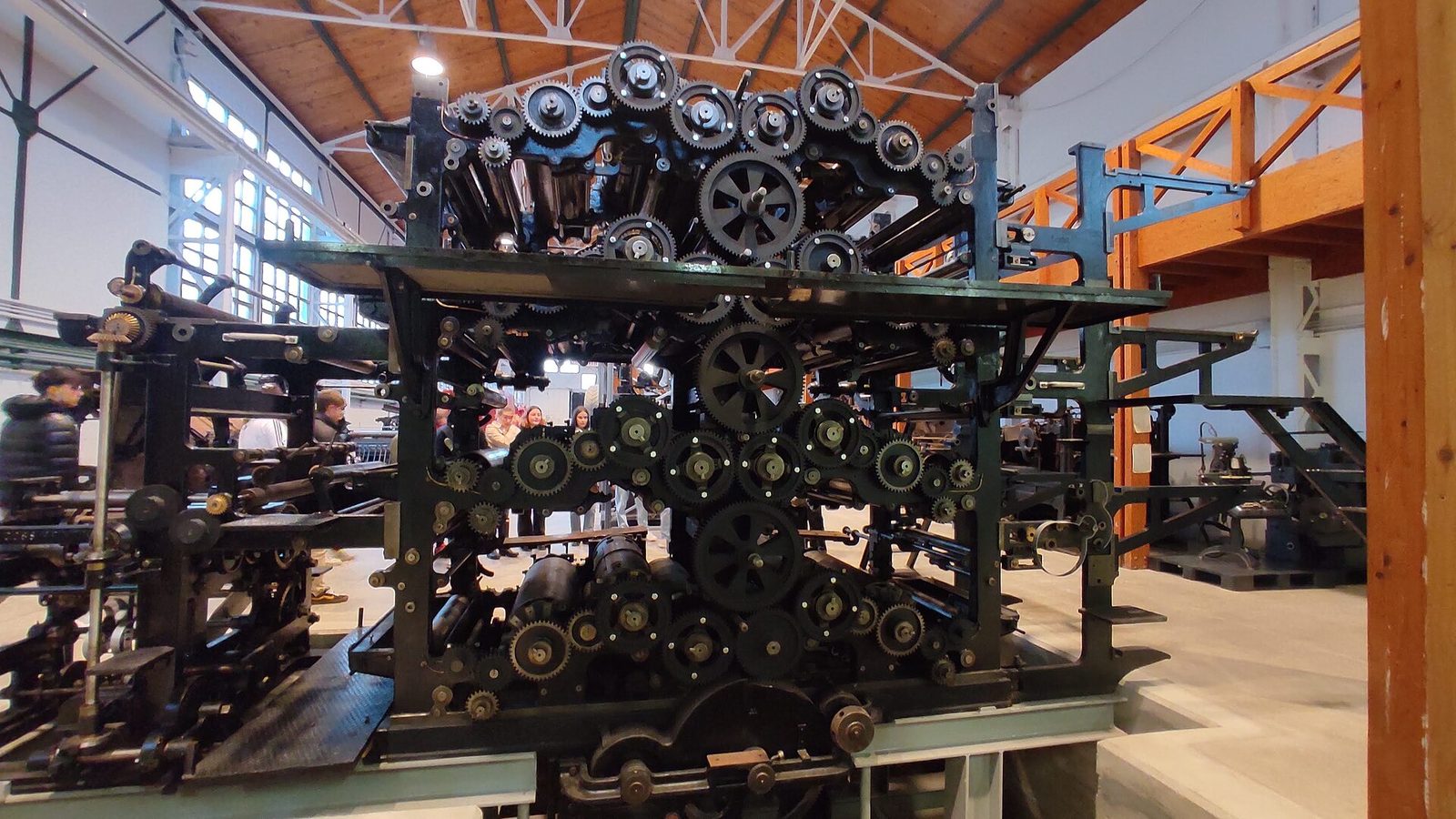
The news that shapes your life most is happening down the street
National headlines get the attention. Decisions about your schools, roads and rents are made much closer to home, often with nobody watching.
This is an opinion column. It reflects the writer’s view, not a news report. Read our editorial policy.
Ask most people to name a story from the national news this week and they will manage it easily. Ask them what their local council decided at its last meeting and many will draw a blank. I understand why. National politics is louder, and it is designed to be. It has the big personalities, the televised debates and the endless commentary. A council meeting has a printed agenda, a committee room and, if you are lucky, a livestream with a handful of viewers.
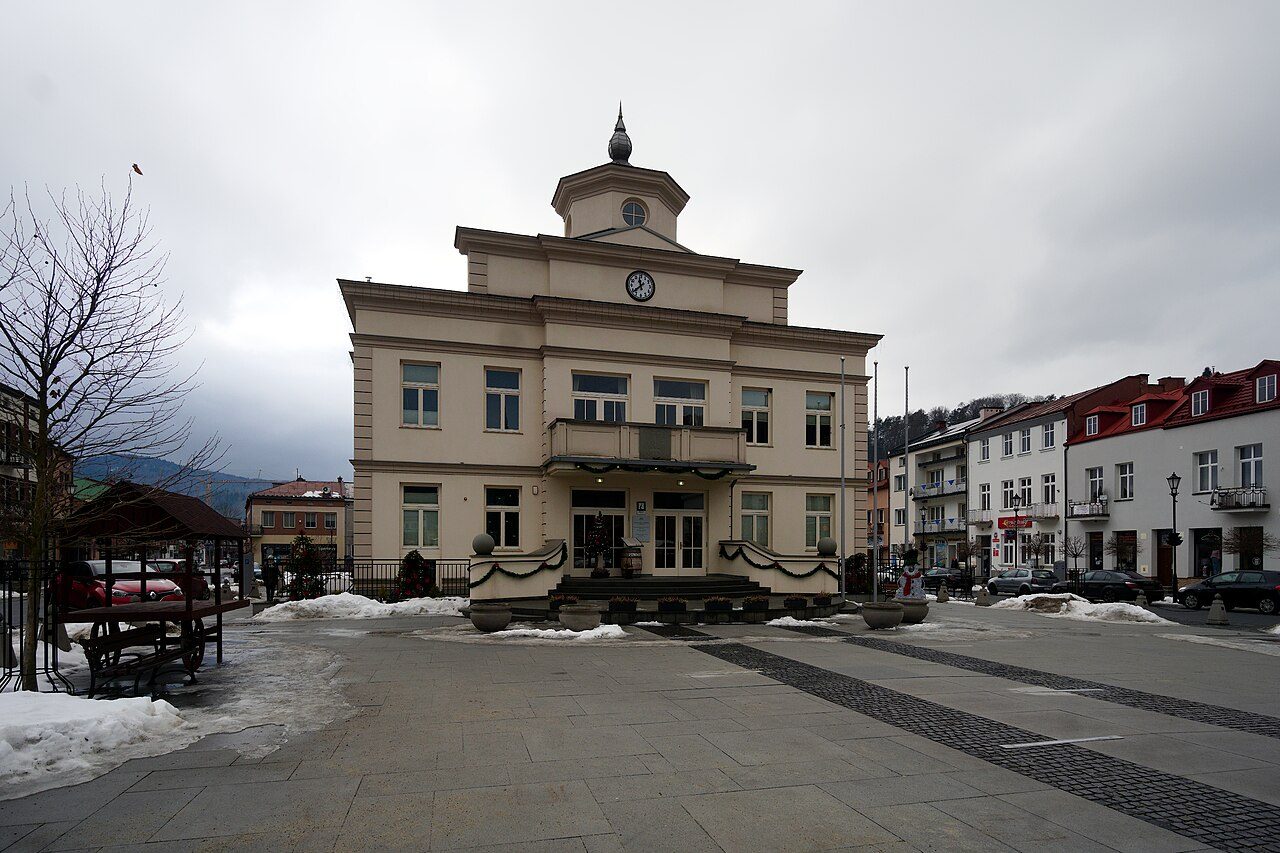
But consider what actually touches your day. The bus route you rely on. The planning application for the empty lot on the corner. The school budget. The cost of parking outside your doctor’s surgery. The timing of the bin collection, the state of the playground, the licence for the bar that has started staying open late. These are decided by local officials, in meetings that are often public and sparsely attended.
Many of these decisions are hard to reverse. Once a building has gone up, a library has closed or a contract has been signed for ten years, the moment to ask questions has passed. National policy changes with every election. A road layout can last for generations.
Why the watcher matters
Reporting does more than inform. When officials know a reporter will be in the room, they tend to explain their decisions more carefully. They prepare better answers, publish papers on time and think twice before tucking something important into a late item on the agenda. Where nobody is watching, small problems can grow quietly until they are expensive to fix.
None of this assumes that local officials are dishonest. Most are doing difficult jobs with limited money and limited thanks. Scrutiny helps the good ones as much as it checks the careless ones: a decision that has been explained in public is easier to defend, and a mistake caught early is cheaper to put right.
Local reporting also does something national coverage cannot. It connects a decision to the people it affects. A national story about housing policy is about averages. A local story is about a particular street, a particular rent rise, a particular family deciding whether they can stay.
The strongest objection
The most serious counter-argument is about time. People are busy. They work, care for children and parents, and have only so much attention left at the end of the day. Asking them to follow planning committees as well as everything else can sound like a demand that only the comfortably retired can meet.
It is a fair point, and I do not think the answer is to ask everyone to become a council-watcher. The answer is that a little attention goes a long way, and that it does not need to come from every individual. It needs to exist somewhere in the community. That is precisely what a local newsroom is for: a few people paid to sit through the meetings so that everyone else does not have to. When that newsroom shrinks or disappears, the work does not vanish. It simply stops being done.
A second objection is that local news can be thin or parochial. Sometimes it is. But the remedy for weak local coverage is better local coverage, and that depends on readers showing there is an audience for it.
What you can do
You do not need to become an expert. A few small habits make a real difference:
- Read one local story a week. Choose one that affects you directly, such as transport, schools or housing, and read it to the end.
- Find your council’s calendar. Most councils publish their meeting dates and agendas online. Glancing at an agenda takes five minutes and tells you what is coming.
- Know who represents you. Look up your local councillors and how to contact them. A short, polite message about a specific issue is more likely to be read than you might think.
- Support local journalism. If your area still has a local newspaper or news site, support it, with a subscription if you can afford it, or simply by reading and sharing its work.
- Turn up occasionally. Attending one public meeting a year, in person or online, will teach you more about how your area is run than months of national headlines.
The national story will still be there tomorrow, and it will be covered by hundreds of reporters whether you read it or not. The decision about your street may have only one reporter watching, or none. It may already have been made.
We check our facts after publication too. If you spot an error, please tell us. Any correction will be noted here, as set out in our corrections policy.