Start a windowsill herb garden in an afternoon
Basil, mint, parsley and chives grow well indoors with enough light and the right pot. Here is how to start.
The short version
- Most herbs need a bright window, ideally several hours of direct sun.
- Pots must have drainage holes; soggy roots are the most common problem.
- Mint spreads aggressively, so give it its own pot.
- Pale, stretched, leggy growth is usually a sign of too little light.
Fresh herbs make simple cooking taste better, and a few pots on a windowsill can keep you supplied for months. You do not need a garden, special equipment or much money: a bright window, a few pots and some potting compost are enough to begin, and you can set it all up in an afternoon.
Choose your herbs
Good starters for indoors include basil, parsley, chives and mint. Each has its own personality:
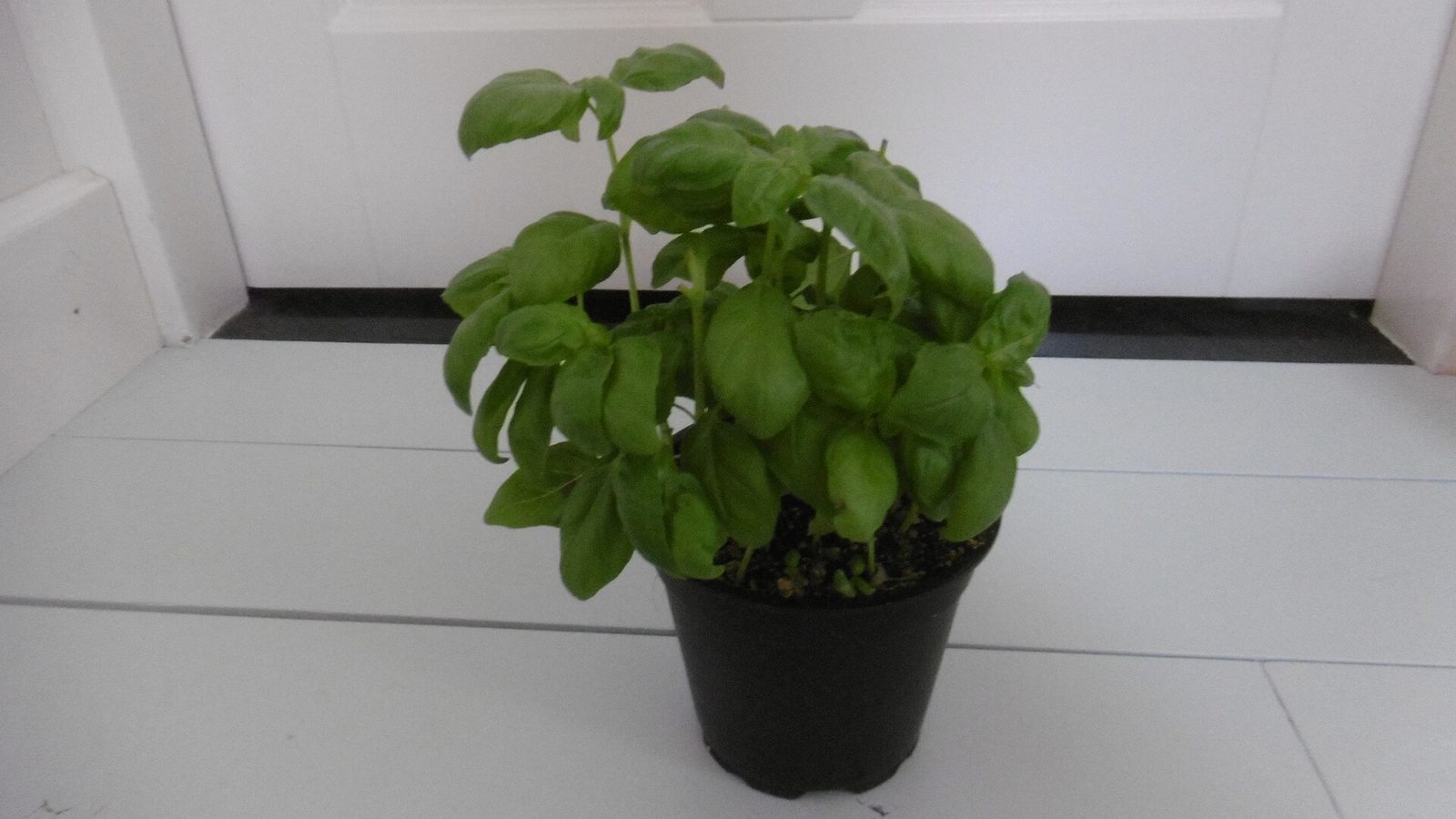
- Basil loves warmth and light and dislikes cold draughts, so keep it away from chilly windows in winter.
- Parsley is fairly tolerant and keeps producing if you pick the outer stems first.
- Chives are hardy and regrow after cutting, giving a mild onion flavour.
- Mint grows vigorously and forgives a lot, but it needs space of its own.
- Coriander is popular but tends to flower and go to seed quickly, so it suits regular sowing in small batches.
Rosemary and thyme like more sun and drier soil. They come from Mediterranean climates and are easy to drown with too much water.
Seeds, plants or cuttings?
You can start from seed, buy young plants, or split a supermarket pot. If you buy supermarket herb pots, they are often crowded, because they are sown densely to look full on the shelf; splitting them into two or three pots helps them last.
Some herbs also grow easily from cuttings. A healthy stem of mint or basil, with its lower leaves removed and stood in a glass of water, will often produce roots within a couple of weeks. It can then be potted up.
Light is everything
Most herbs want a bright spot, ideally with several hours of direct sunlight. A south-facing window in the Northern Hemisphere, or a north-facing one in the Southern Hemisphere, is usually best. Turn pots every few days so plants do not lean.
In darker months, growth naturally slows. If your windows are shaded, a small plant grow light can help, but even then expect plants to grow more slowly in winter than in summer.
Pots and soil
- Use pots with drainage holes and a saucer underneath.
- Use a general-purpose potting compost, not garden soil.
- Water when the top of the soil feels dry, then let excess water drain away.
Decorative pots without holes can be used as an outer cover, with a plain pot that drains sitting inside. Just remember to tip out any water that collects at the bottom.
Watering, step by step
- Push a finger into the compost. If the top feels dry, it is time to water.
- Water slowly until a little runs out of the bottom of the pot.
- Wait a few minutes, then empty the saucer.
- Check again in a day or two, not on a fixed schedule. Warm, sunny weather dries pots far faster than dull weather.
Herbs in small pots have little compost to draw on, so during the main growing season an occasional dose of a general liquid plant feed, used at the strength on the label, can keep them productive.
Harvest to keep it growing
Pick regularly, snipping just above a pair of leaves. This encourages bushier growth. Pinch off flower buds on basil to keep leaves coming. As a general rule, avoid stripping more than about a third of a plant at once, so it has enough leaves left to recover.
Troubleshooting
- Yellowing leaves and soggy compost: usually overwatering or poor drainage. Let the pot dry out more between waterings.
- Pale, stretched, leggy stems: not enough light. Move the pot somewhere brighter and pinch back the tips.
- Wilting despite damp soil: roots may be damaged by sitting in water.
- Tiny flies around the pot: often fungus gnats, which thrive in constantly wet compost. Letting the surface dry out between waterings helps.
- Clusters of small insects on shoots: possibly aphids. Rinsing or wiping them off is a simple first step.
Common misconceptions
- “More water means more growth.” Waterlogged roots cannot breathe, and overwatering kills more pot herbs than drought.
- “Supermarket herbs are meant to last.” Many are grown for quick use; splitting and repotting gives them a better chance.
- “Herbs need feeding all year.” Growth slows in winter, so feeding can usually wait until spring.
One warning about mint
Mint spreads quickly and will crowd out its neighbours. Give it a pot of its own.
Using your harvest
Soft herbs such as basil and parsley are best used fresh. If you have more than you need, chopped herbs can be frozen in ice-cube trays topped with a little water or oil, ready to drop into cooking. Woody herbs such as rosemary and thyme dry well: hang small bunches somewhere airy and out of direct sun until crisp, then store them in a sealed jar.
Test yourself
3 quick questions on what you just read. Your answers stay on your device.
Sources and further reading
We check our facts after publication too. If you spot an error, please tell us. Any correction will be noted here, as set out in our corrections policy.