From pitch to premiere: how a TV series gets made
Most scripted shows pass through a pitch, a pilot, a writers’ room and months of production and editing. Here is who does what.
The short version
- Many series begin with a pitch and a pilot episode.
- The showrunner oversees both writing and production.
- Editing, music and visual effects happen in post-production.
- Scenes are usually filmed out of story order to save time and money.
A season of television can take a year or more to make, and hundreds of people may work on it. The process varies between countries, broadcasters and streaming services, but the main stages are broadly similar, and knowing them makes it easier to understand why shows look, sound and arrive the way they do.
1. Development
A writer or producer pitches an idea to a studio, network or streaming service. A pitch usually covers the premise, the main characters, the tone and where the story could go over several seasons. Some writers also prepare a series bible, a document describing the world of the show, its characters and possible storylines.
Many series are not original ideas at all but adaptations of novels, comics, podcasts, films or formats from other countries. In that case, producers first need to secure the rights, often by paying for an option that gives them a limited period to get the project made.
It helps to know that the company making a show and the company showing it are not always the same. A studio may finance and produce a series, while a network or platform pays for the right to broadcast or stream it. Sometimes both belong to the same media group.
If the idea is picked up for development, the writer may produce a pilot script and an outline of the season. Many ideas never get further than this.
2. The pilot
Traditionally, a network orders a pilot, a first episode used to test the idea, before committing to a full season. Pilots can be expensive for their length, because sets have to be designed and built and the main cast found from scratch. Roles are sometimes recast, and scenes reshot, after executives see the result. Plenty of pilots are never broadcast.
American broadcast networks historically concentrated this work into a busy pilot season in the first half of the year, then announced their new schedules to advertisers at presentations known as the upfronts. Some streaming services skip the pilot stage and order a whole season straight away.
3. The writers’ room
Once a series is ordered, a team of writers breaks the season into episodes, plots each story and drafts scripts. “Breaking story” often happens on whiteboards or index cards, with the room working out the beats of each episode before anyone writes dialogue.
The person in charge is the showrunner, usually a senior writer-producer who oversees the creative direction of the whole show, from scripts to casting to the final cut. Studios and networks give notes on outlines and drafts, and scripts may be rewritten many times.
Practices differ around the world. American dramas and comedies often have sizeable rooms, while many British series are written by a single writer or a very small team. As scripts change, a script coordinator tracks every revision; on many productions, revised pages are printed on different coloured paper so that everyone knows which version they are holding.
4. Production
Before filming comes pre-production: scouting locations, building sets, designing costumes, casting guest roles and drawing up a shooting schedule. The cast often gathers for a table read, reading the script aloud so writers can hear what works.
Episodes are then filmed by a director, cast and crew. On many series, different episodes have different directors, so the showrunner keeps the tone consistent. Scenes are rarely filmed in story order. Instead, they are grouped by location, set and cast availability, because moving a crew is slow and expensive.
A few key roles on set:
- Director: guides the performances and decides how each scene is shot.
- Director of photography: responsible for lighting and camera work.
- First assistant director: runs the set day to day and keeps filming on schedule.
- Line producer: manages the budget and the practical logistics.
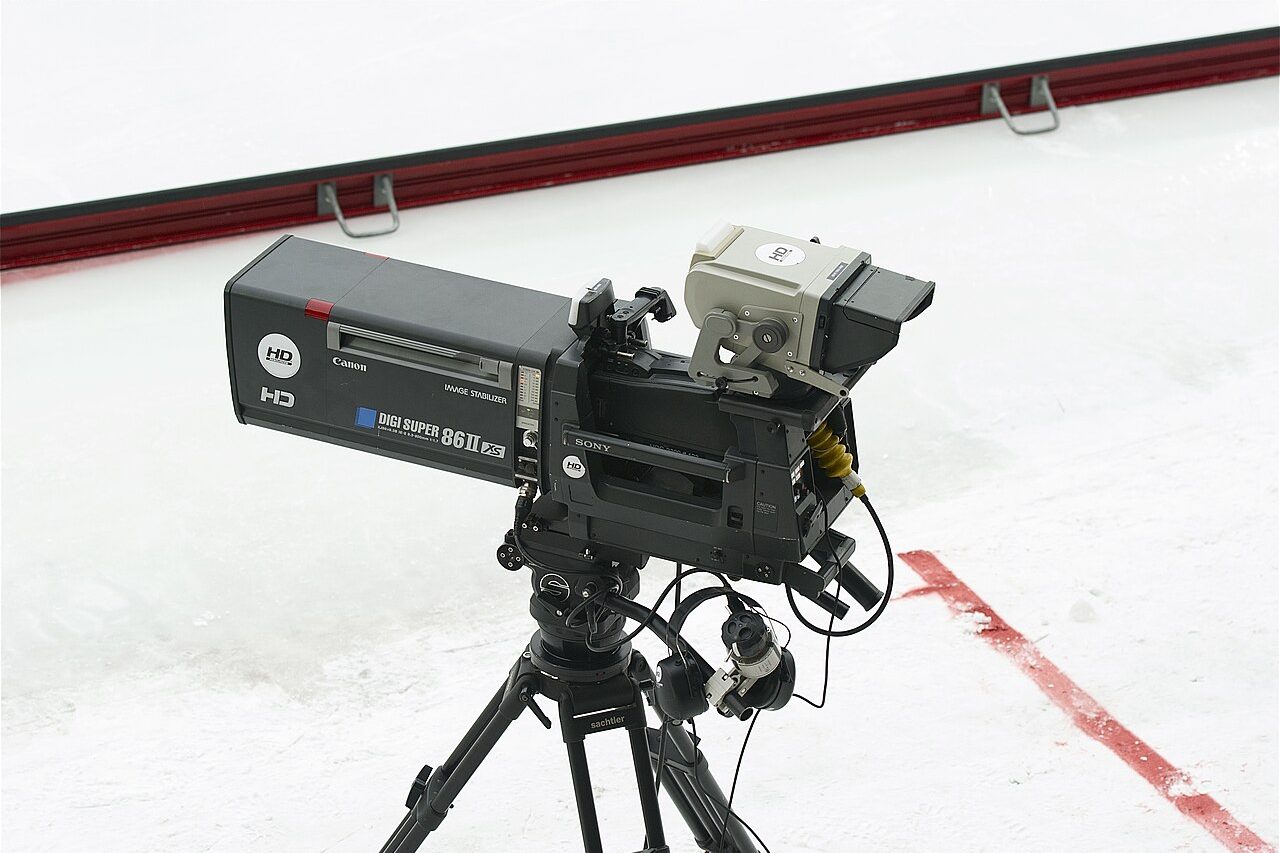
Comedies may be multi-camera, filmed on a stage with several cameras running at once, often before a studio audience, or single-camera, filmed more like a movie, one set-up at a time.
5. Post-production
Editors assemble the footage. Typically an editor produces a first cut, the episode’s director gives notes, and the showrunner and producers shape the version that goes to the studio or network for comments. Once the picture is “locked”, other teams finish the episode.
Composers write the score, sound teams build the soundscape, and actors may re-record lines that were hard to hear on set. Colourists set the look, and visual effects artists add anything that could not be filmed. Captions, subtitles and versions for different countries are prepared too. This stage often takes as long as filming itself.
6. Release
Finally, the series is scheduled or released, and marketing teams try to make sure people know it exists, which in a crowded market is no small task. Some services release a whole season at once; others drop episodes weekly to keep conversation going. Viewing figures, cost, critical reception and who owns the rights all feed into whether a show is renewed.
Common misconceptions
- “The director is in charge.” In film the director usually leads, but in television the showrunner and producers typically hold creative control across the series.
- “Actors make up their lines.” Some performers improvise, but most dialogue is scripted and carefully revised.
- “Cancelled means unpopular.” Shows end for many reasons, including cost, rights deals and changes in a channel’s or platform’s strategy.
What is still changing
The move to streaming has reshaped many of these habits. Seasons are often shorter than the traditional network order, gaps between seasons can be longer, and less viewing data is made public. How these models will settle, and what they mean for the people who make television, is still being worked out.
Test yourself
3 quick questions on what you just read. Your answers stay on your device.
We check our facts after publication too. If you spot an error, please tell us. Any correction will be noted here, as set out in our corrections policy.