How to stay informed without feeling overwhelmed
Constant alerts make the news feel relentless. A few boundaries can keep you informed and calmer at the same time.
The short version
- Turning off most alerts and checking the news at set times reduces the feeling of constant interruption.
- Explainers and in-depth pieces often teach more than a stream of small updates.
- A sample routine shows how a calmer news habit can fit into an ordinary day.
Many people say they feel worn out by the news. That is understandable: phones deliver it all day, much of it alarming. The answer for most people is not to stop following the news but to change how they follow it.
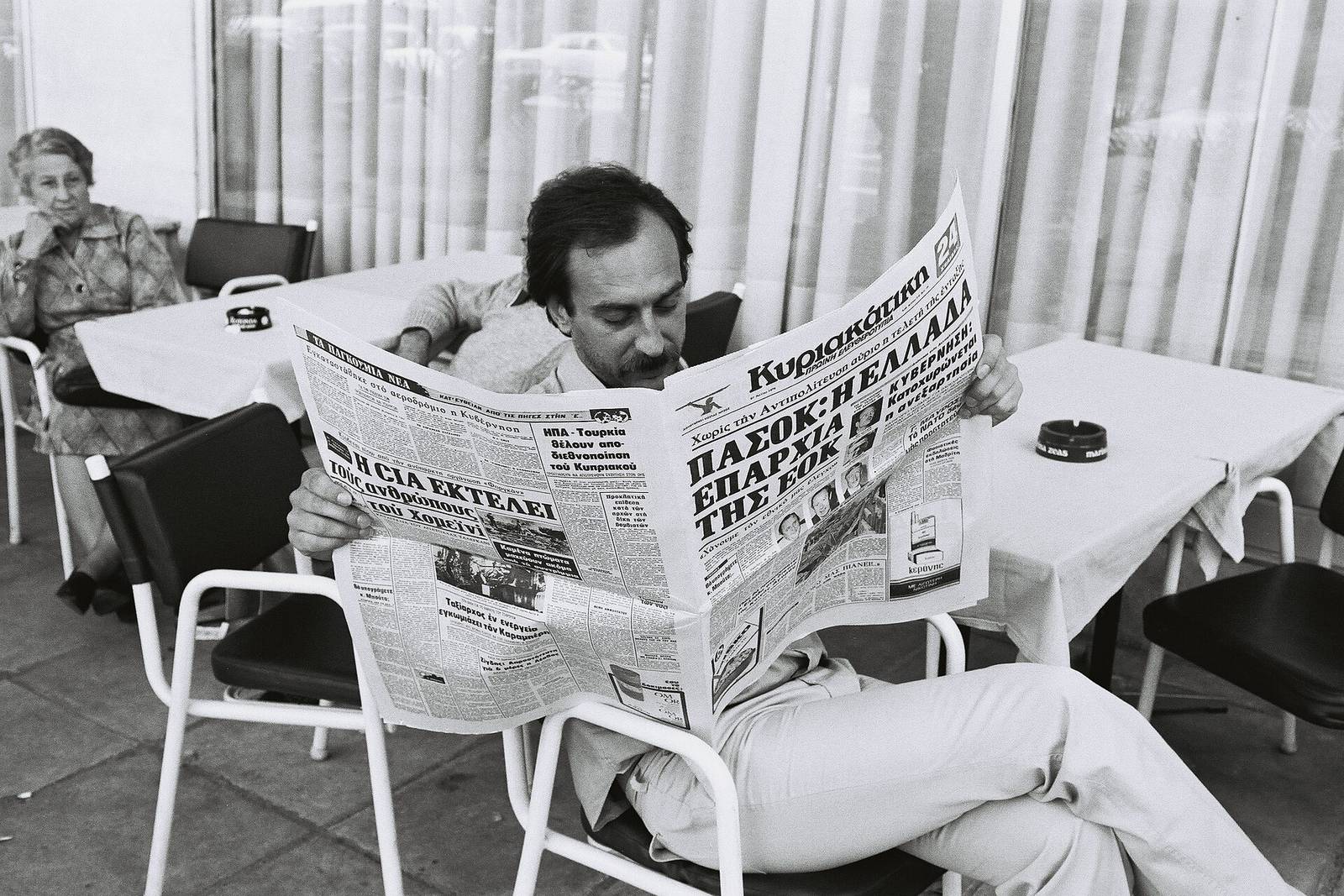
The way news reaches us has changed faster than our habits have. A newspaper arrived once a day and then it was finished. A phone never finishes. Every refresh offers something new, and every alert interrupts whatever you were doing. It is not surprising that this can feel relentless. The good news is that most of it is within your control.
Practical boundaries
- Turn off most news alerts. Keep one or two sources for genuinely urgent news.
- Choose set times. Checking the news once in the morning and once in the evening is enough for most purposes.
- Prefer explainers to updates. One clear explainer often teaches more than a dozen incremental updates.
- Mix in what is going well. Science, culture and practical guides are news too.
- Notice how you feel. If a session leaves you anxious rather than informed, it is fine to stop.
Putting it into practice
Boundaries are easy to agree with and harder to keep. A few practical steps help.
Audit your alerts. Open your phone’s notification settings and look at every app that is allowed to interrupt you with news. For each one, ask whether you would genuinely want to be interrupted by it at dinner. Keep the ones that pass, such as a local weather or travel service, and switch off the rest. You can always check those apps when you choose to.
Move news apps off your home screen. Putting them in a folder, one swipe further away, turns an automatic tap into a deliberate choice.
Keep news out of the bedroom. Reading alarming headlines last thing at night is a poor preparation for rest. If you are interested in why, our piece on the science of a good night’s sleep is a useful companion.
Replace the scroll with a slot. Instead of checking whenever you feel a pang of curiosity, give the news a fixed window, perhaps fifteen or twenty minutes, and close it when the time is up.
A sample routine
Here is one example of a calmer daily pattern. Adjust it to suit your life:
- Morning, ten minutes. Read a short summary of the main stories from one trusted source. Note anything you want to understand better.
- During the day, nothing. Alerts are off except for genuinely urgent information, such as severe weather where you live.
- Evening, twenty minutes. Read one story properly, ideally an explainer or a longer piece on something you noted in the morning.
- Weekly, thirty minutes. Catch up on a subject that interests you but rarely makes the front page, such as science, culture or your local area.
That is roughly an hour a day at most, and most people will finish the week knowing more than they did when they were checking constantly.
When the news is genuinely big
Some weeks bring major events, and it is natural to want to follow them closely. Even then, a running live page refreshed every few minutes rarely tells you much more than a careful summary read twice a day. Facts in fast-moving stories often change, and early reports can be wrong. Waiting a few hours can mean you get a clearer and more accurate picture.
It is also worth remembering that caring about an event does not require watching it continuously. If there is something useful you can do, such as donating, volunteering or checking on someone affected, that is usually a better use of your attention than another refresh.
Make it deliberate
Staying informed is a choice you can design, like any other habit. Try your new routine for a fortnight before judging it, and adjust what does not work. A calmer routine is easier to keep, which means you are more likely to stay informed in the long run.
We check our facts after publication too. If you spot an error, please tell us. Any correction will be noted here, as set out in our corrections policy.