
Latest
Everything we have published, newest first.


More stories
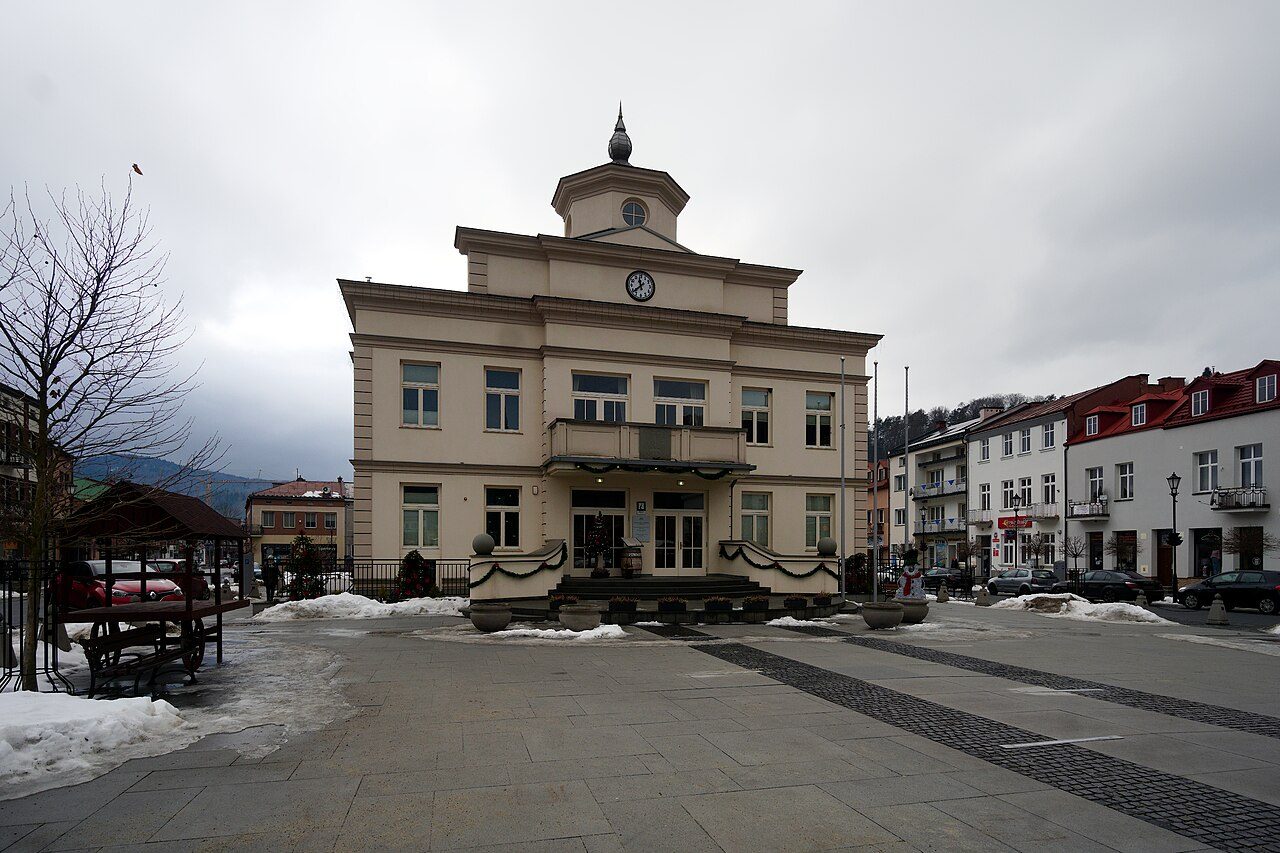
The news that shapes your life most is happening down the street
National headlines get the attention. Decisions about your schools, roads and rents are made much closer to home, often with nobody watching.

What inflation is, and how central banks try to tame it
Rising prices erode what your money can buy. Central banks respond mainly by changing interest rates, a tool that works slowly and with side effects.

Passkeys are replacing passwords. Here is how they keep you safer
A passkey cannot be guessed, reused or typed into a fake website. The idea behind it is decades old; what is new is that your phone can now do the hard part.
Advertisement
Ad space · 728 × 90
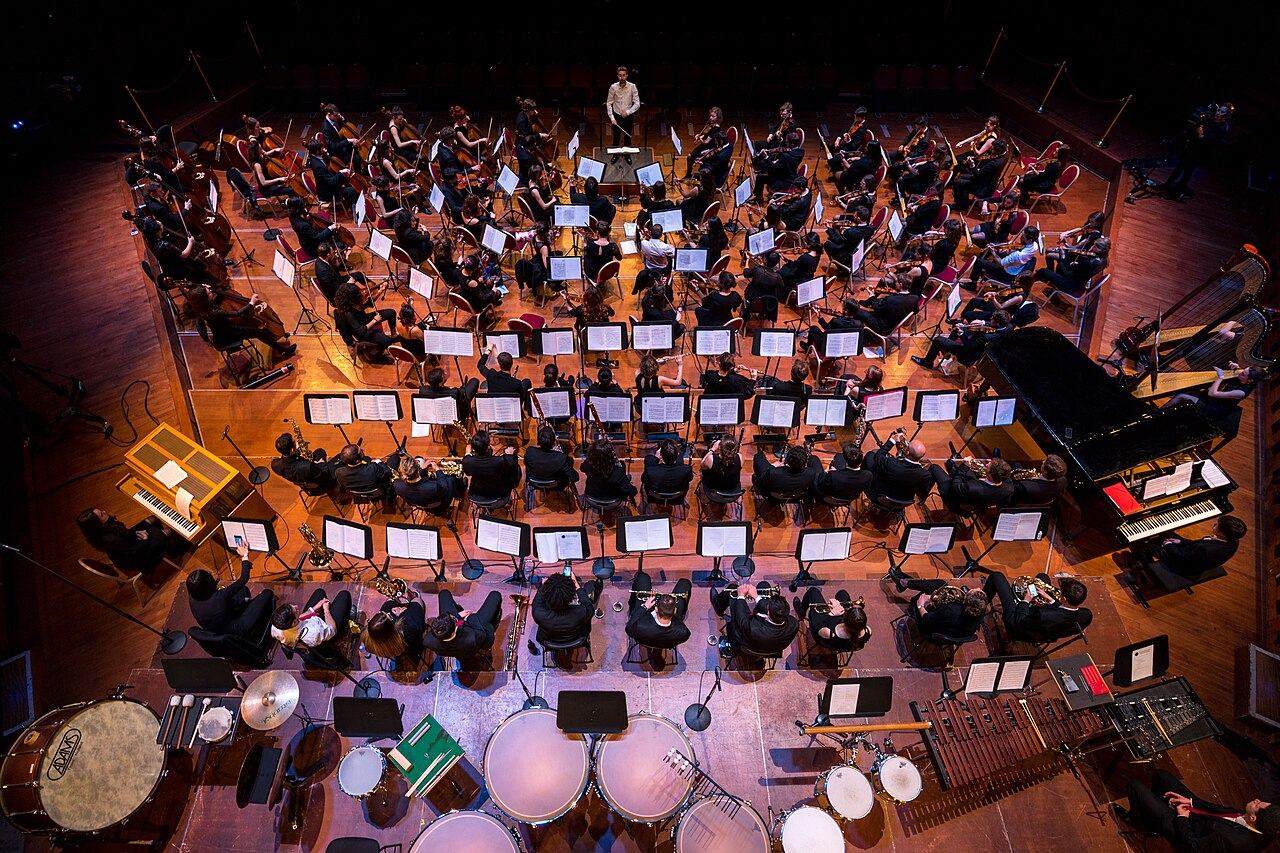
How film music tells you what to feel before you know it
A recurring melody can announce a character before they appear. Composers have used the trick for more than a century, borrowed from opera.

Why two narrow canals hold up a large share of world trade
The Suez and Panama canals save ships weeks at sea. When either one is disrupted, the effects reach supermarket shelves thousands of miles away.

The science of a good night’s sleep, and what actually helps
Most adults need at least seven hours. A steady schedule, morning light and a cool, dark room do more than most gadgets.

A reader’s guide to judging a news story in two minutes
Six quick questions help you tell solid reporting from a weak story, wherever you read it, including here.

What happens in the second after you type a web address
Before a page appears, your computer looks up an address, opens a connection, agrees on encryption and asks for the page. All of it usually takes less than a second.
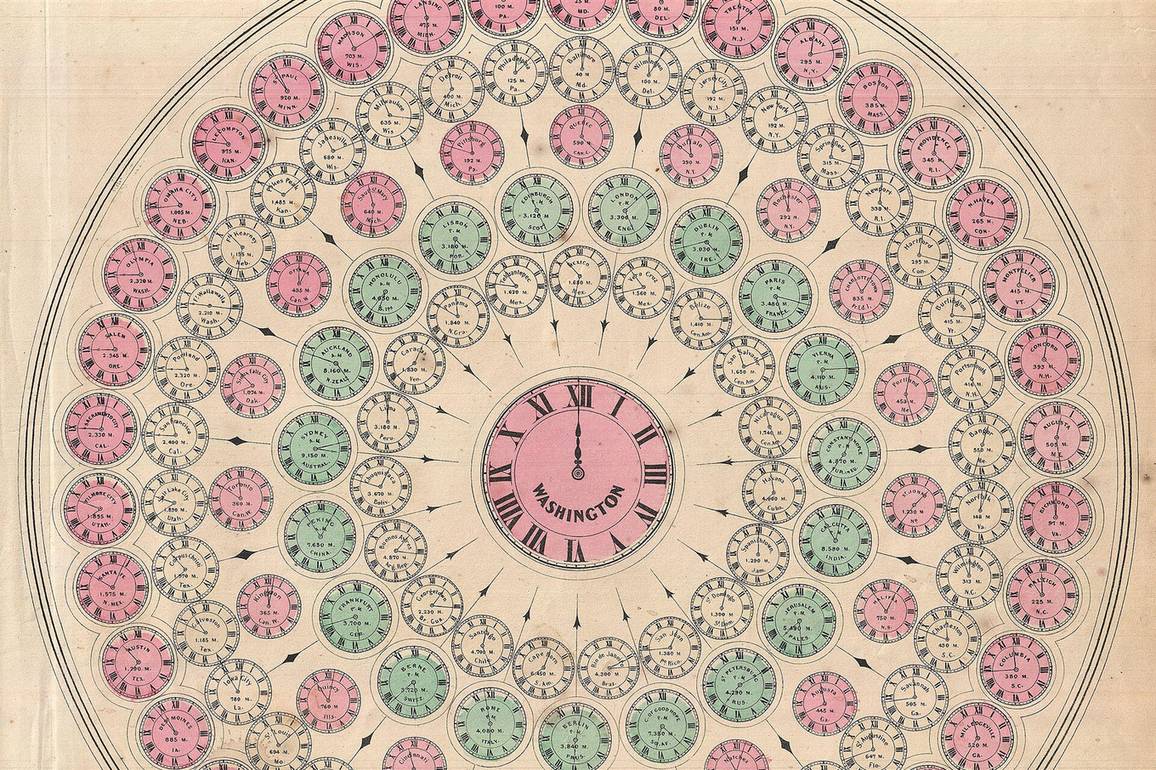
What a time zone map reveals about the countries on it
Time zones look like a tidy science. In reality they are political decisions, and some of them are surprising.
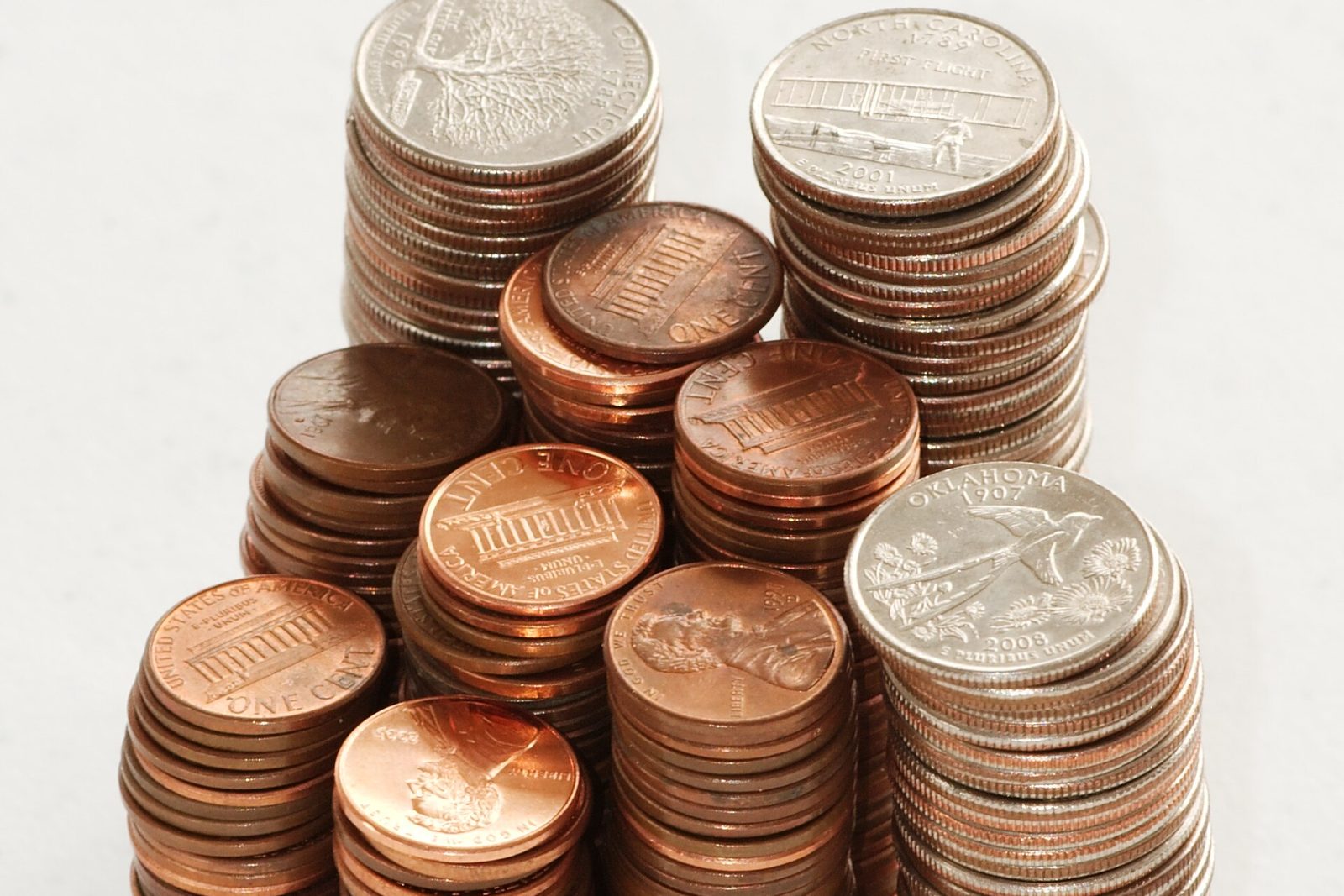
Compound interest, worked out step by step
Earning interest on your interest is the quiet engine behind long-term saving, and behind debt that grows faster than expected.

How vaccines train your immune system
A vaccine gives your body a safe preview of a germ, so it can respond faster if the real thing arrives. Different vaccines deliver that preview in different ways.
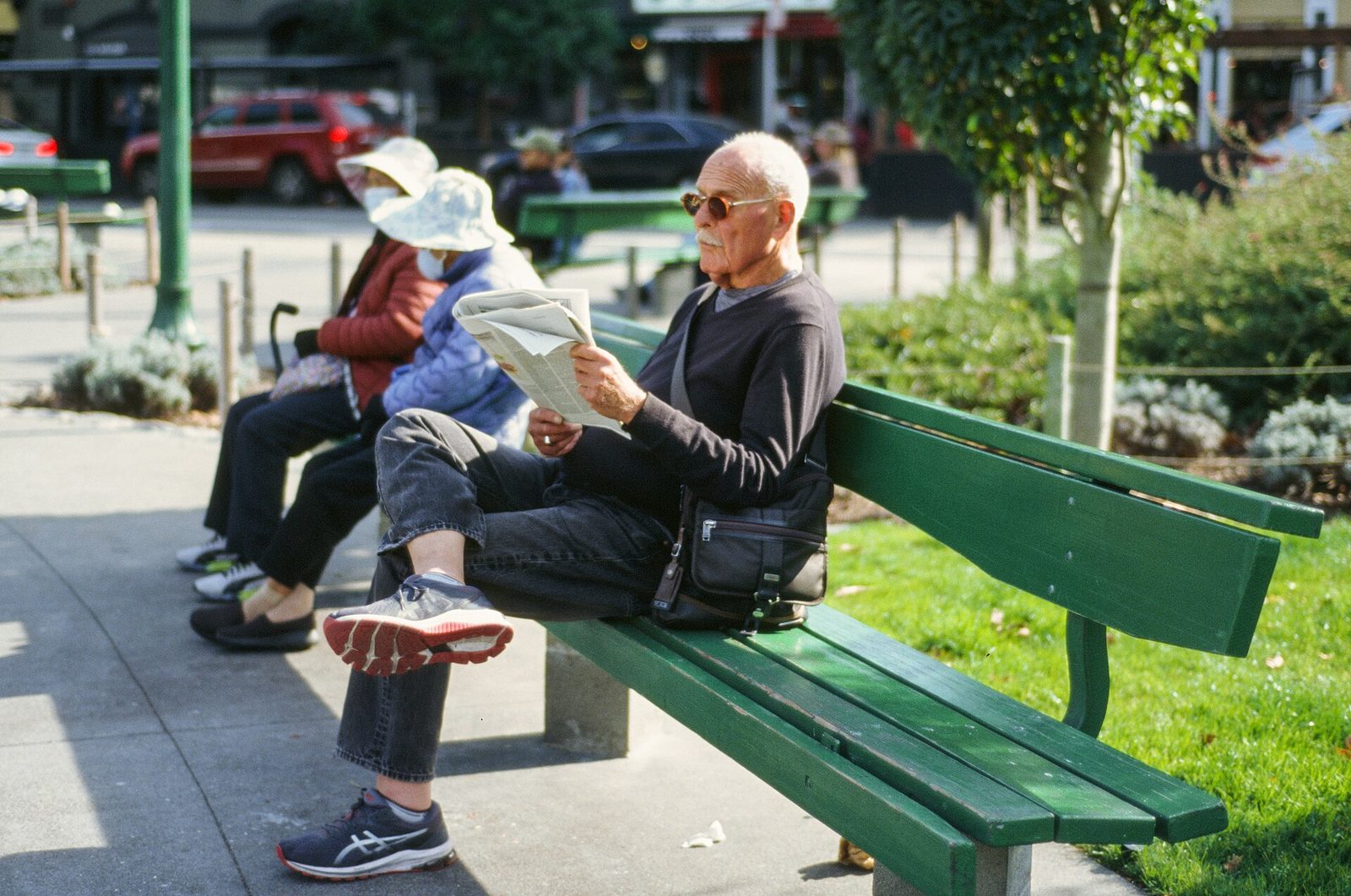
Swap ten headlines for one long article a day
Scrolling gives you the feeling of being informed. Reading one story properly usually leaves you knowing more.

How AI chatbots work, in plain English
Large language models learn patterns from huge amounts of text and predict what comes next. That simple idea explains both their strengths and their mistakes.
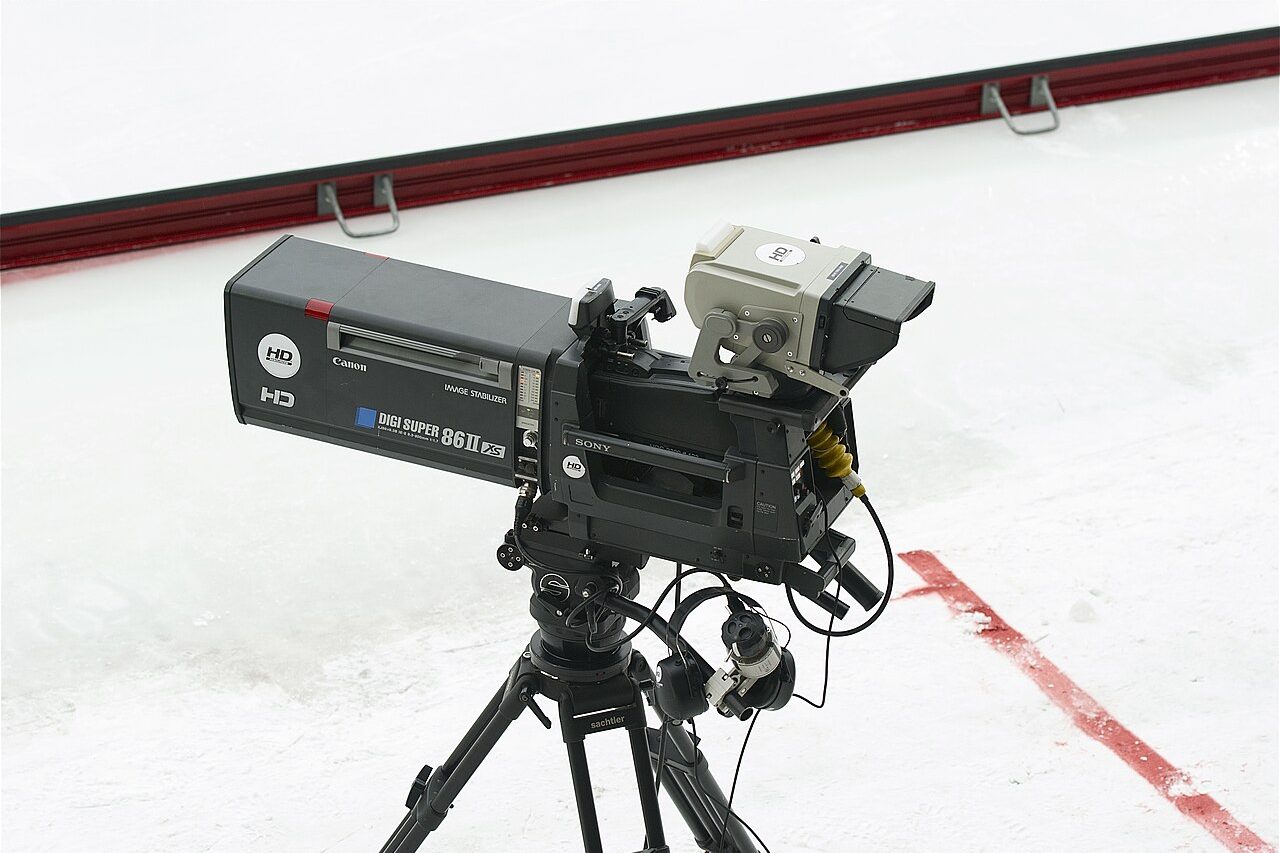
From pitch to premiere: how a TV series gets made
Most scripted shows pass through a pitch, a pilot, a writers’ room and months of production and editing. Here is who does what.
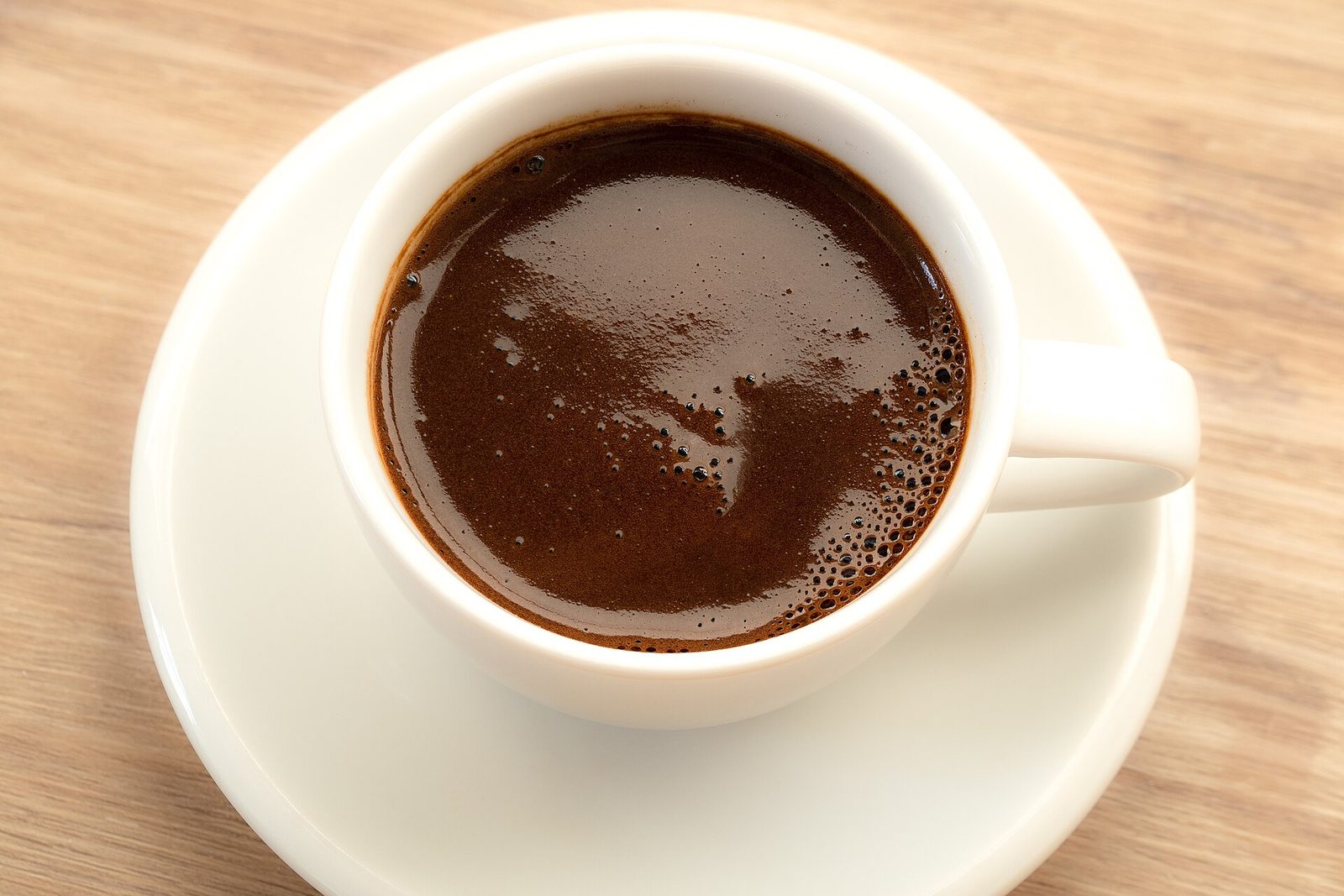
Five changes that make better coffee at home
You do not need an expensive machine. Fresh beans, the right ratio and water just off the boil make the biggest difference.

Why the sky is blue, and sunsets are red
Sunlight contains every colour. Air scatters the blue part far more than the red, and that one fact explains both the daytime sky and the evening glow.
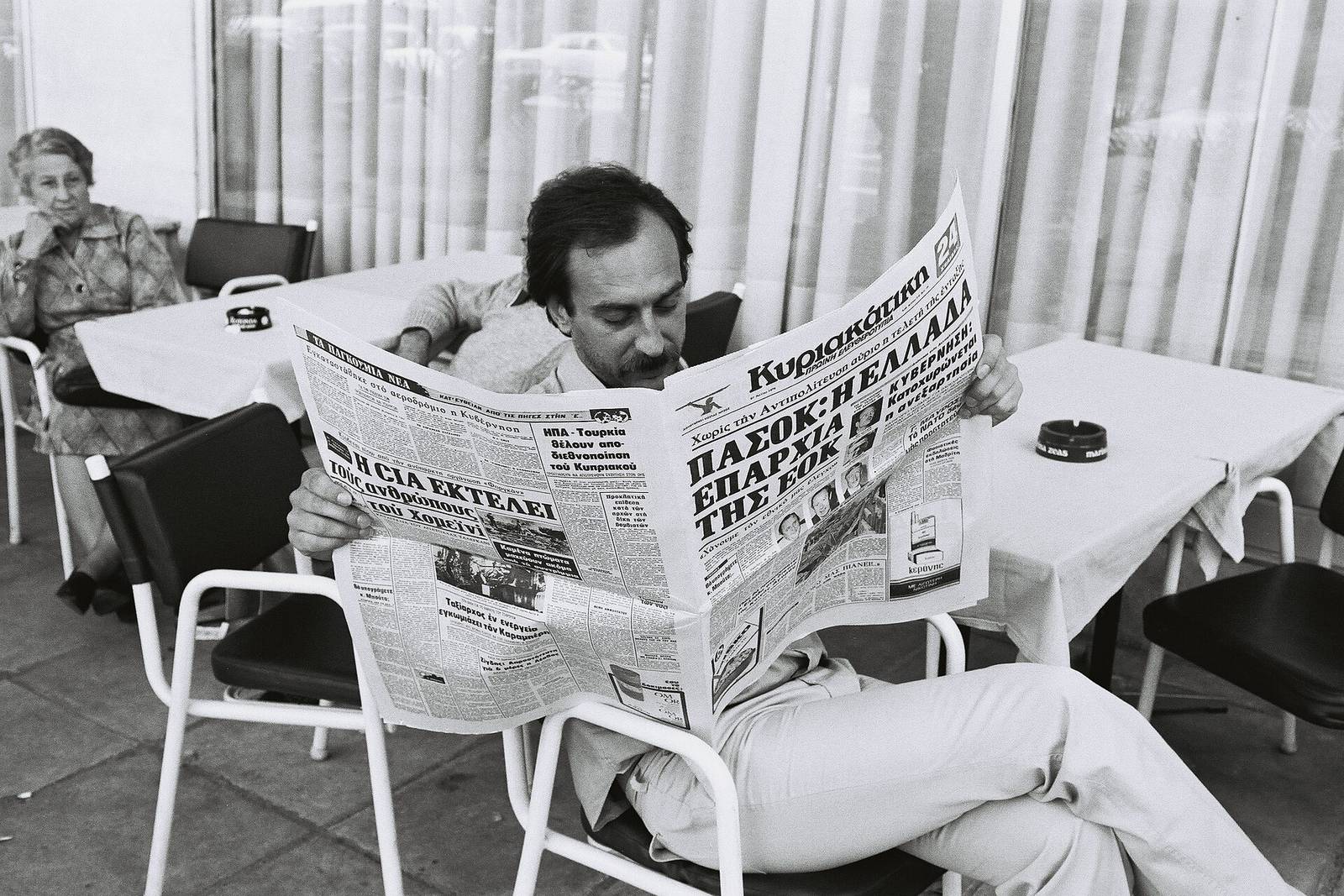
How to stay informed without feeling overwhelmed
Constant alerts make the news feel relentless. A few boundaries can keep you informed and calmer at the same time.

The world speaks about 7,000 languages. Many are at risk
A small number of languages dominate, while thousands are spoken by small communities. Here is what linguists track, and why it matters.

What a share actually is, and how index funds work
Buying a share makes you a part-owner of a company. Index funds let you own a small slice of hundreds of companies at once.

Why your phone battery wears out, and how to slow it down
Lithium-ion batteries age with every charge cycle, and heat speeds it up. A few habits can keep yours healthier for longer.

Our cities should be built for walking first
A street that is pleasant to walk along is good for health, good for local shops and good for everyone who cannot or does not drive.

The strange history of the laugh track
Recorded laughter was added to many 1950s sitcoms by a machine operated by one sound engineer. The debate over it has never quite ended.
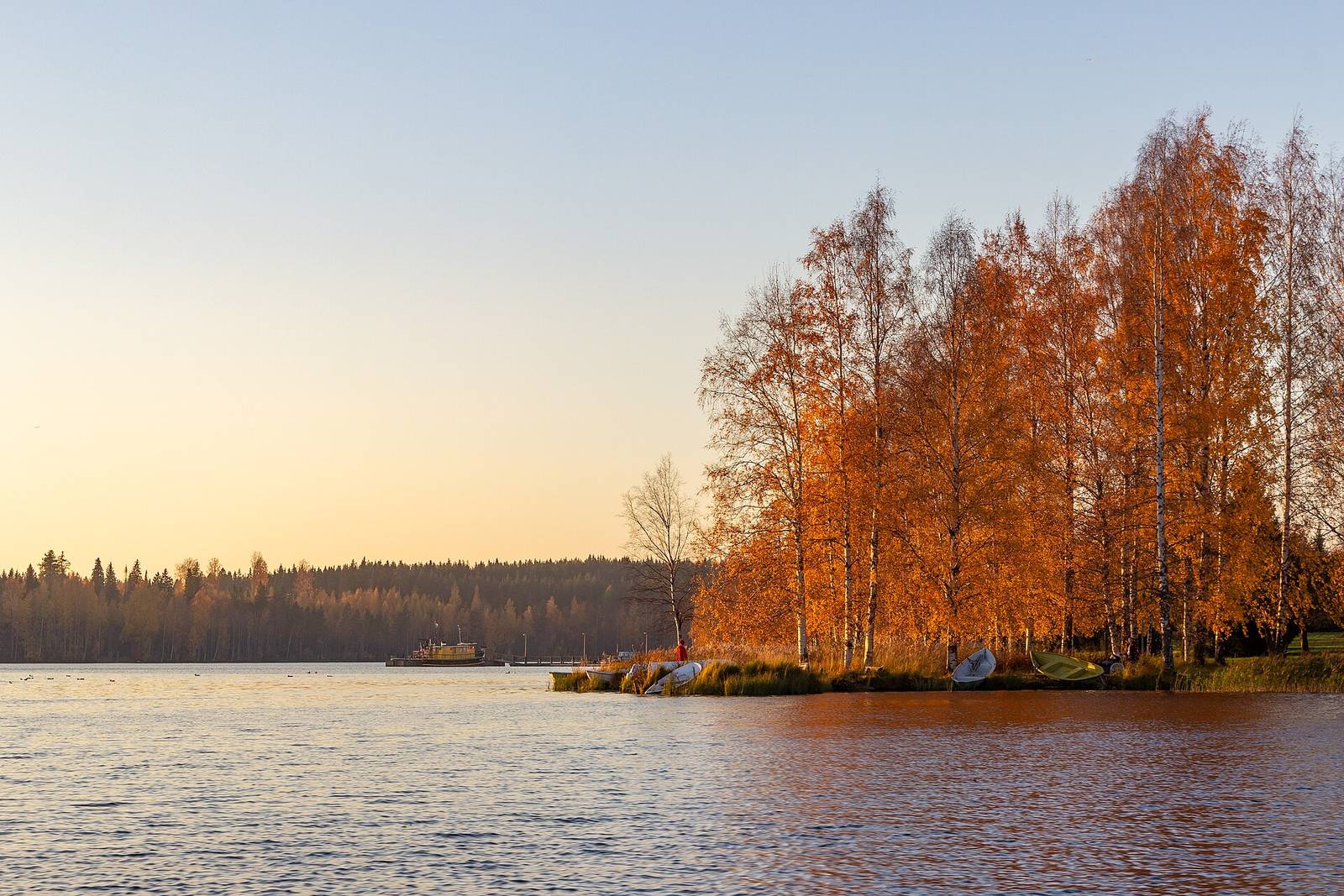
What really causes the seasons (it is not distance from the Sun)
Earth is actually closest to the Sun in early January. The seasons come from the tilt of Earth’s axis.

The truth about 10,000 steps a day
The famous target started as a marketing slogan in 1960s Japan. Research since suggests the benefits begin well below it.
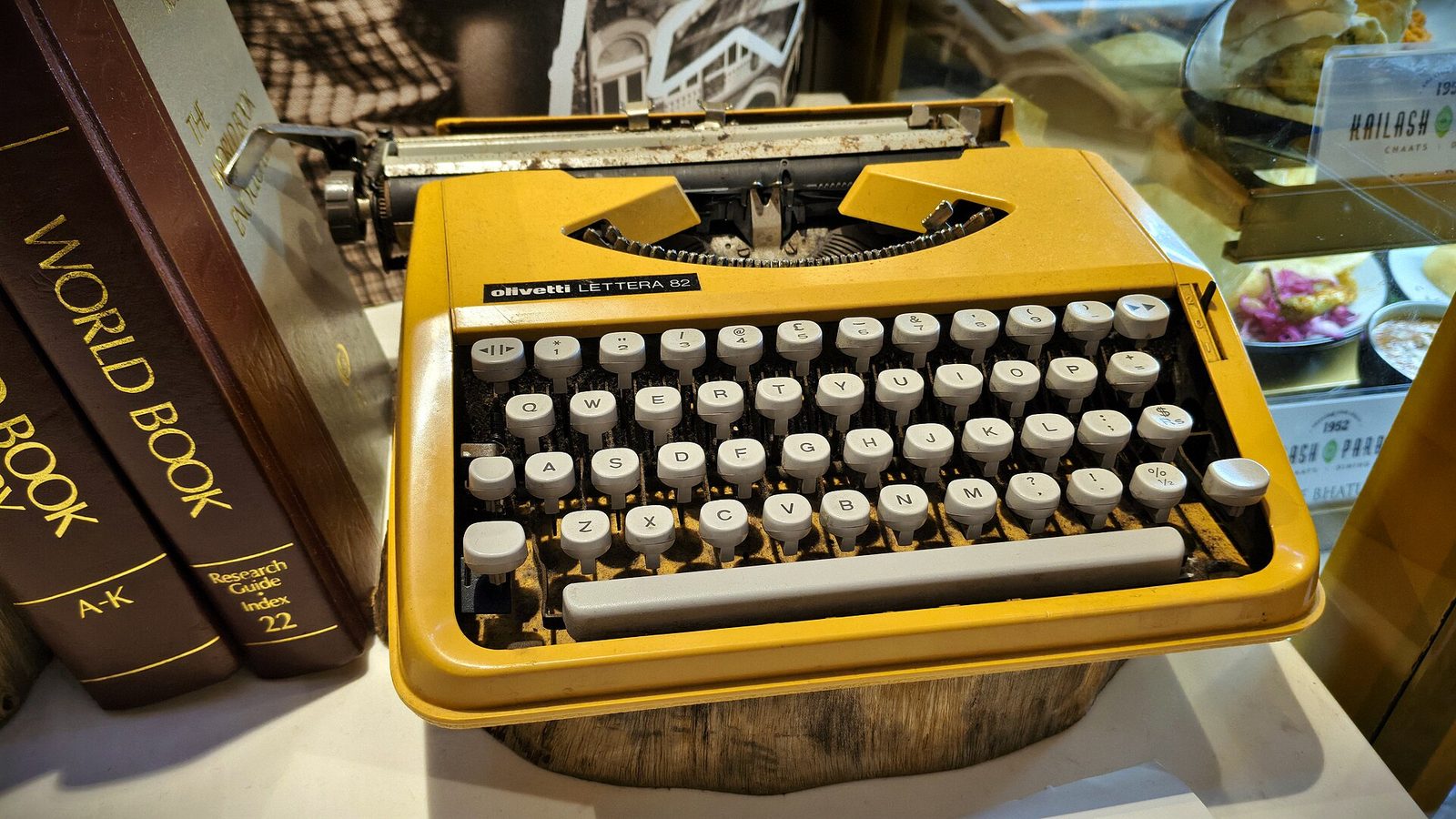
Behind the scenes: the rules we follow when writing headlines
A good headline is accurate, specific and fair to the story beneath it. Here are the house rules our editors use.

How a steel box changed the world economy
Before containers, loading a ship could take days of manual work. A standard box turned global trade into something closer to a conveyor belt.
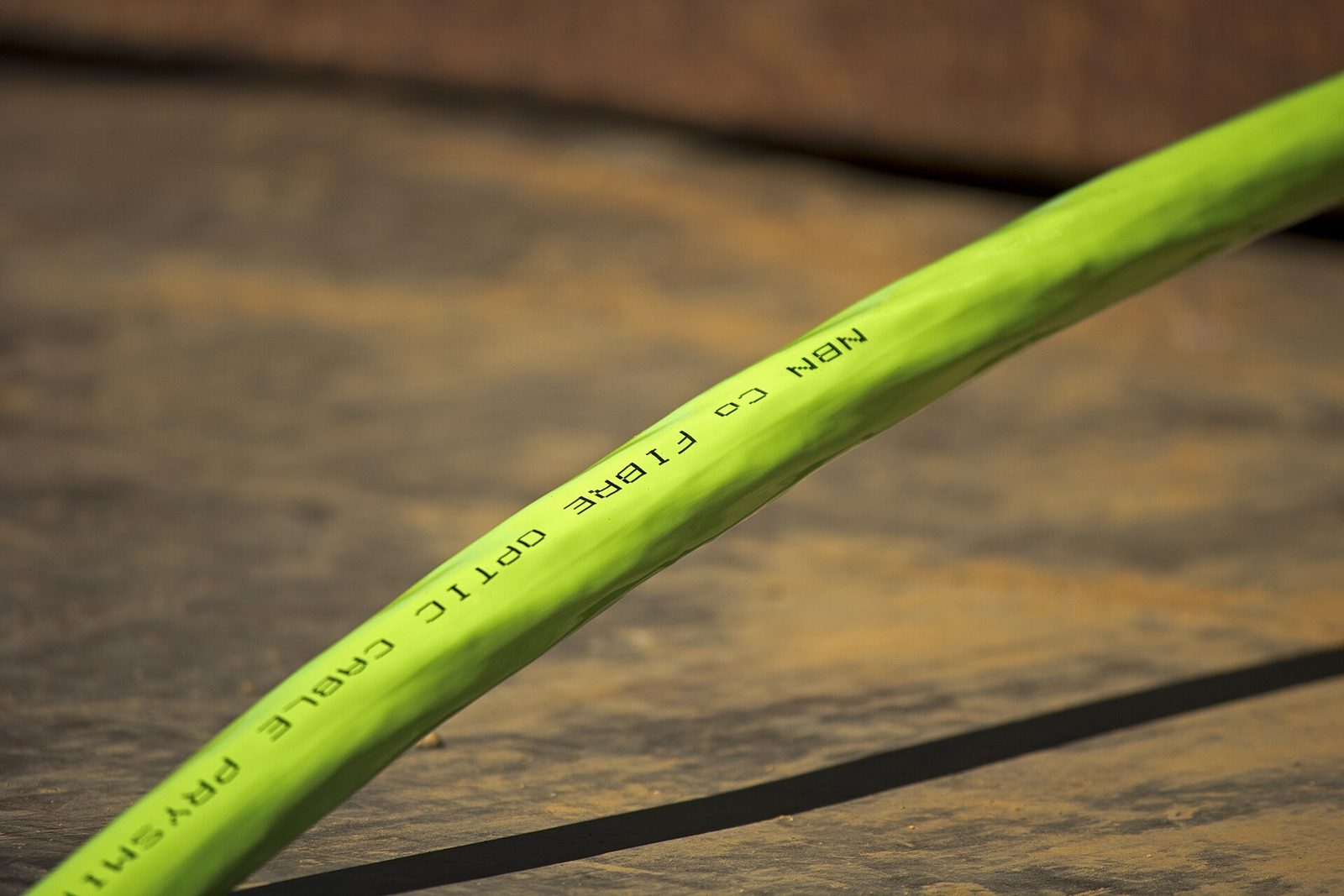
A short history of the internet, in five turning points
From a research network linking four computers to the web in your pocket: the moments that shaped the internet we use today.
Why we will always show you our corrections
Every newsroom gets things wrong sometimes. What earns trust is fixing mistakes openly, with a note that says what changed.
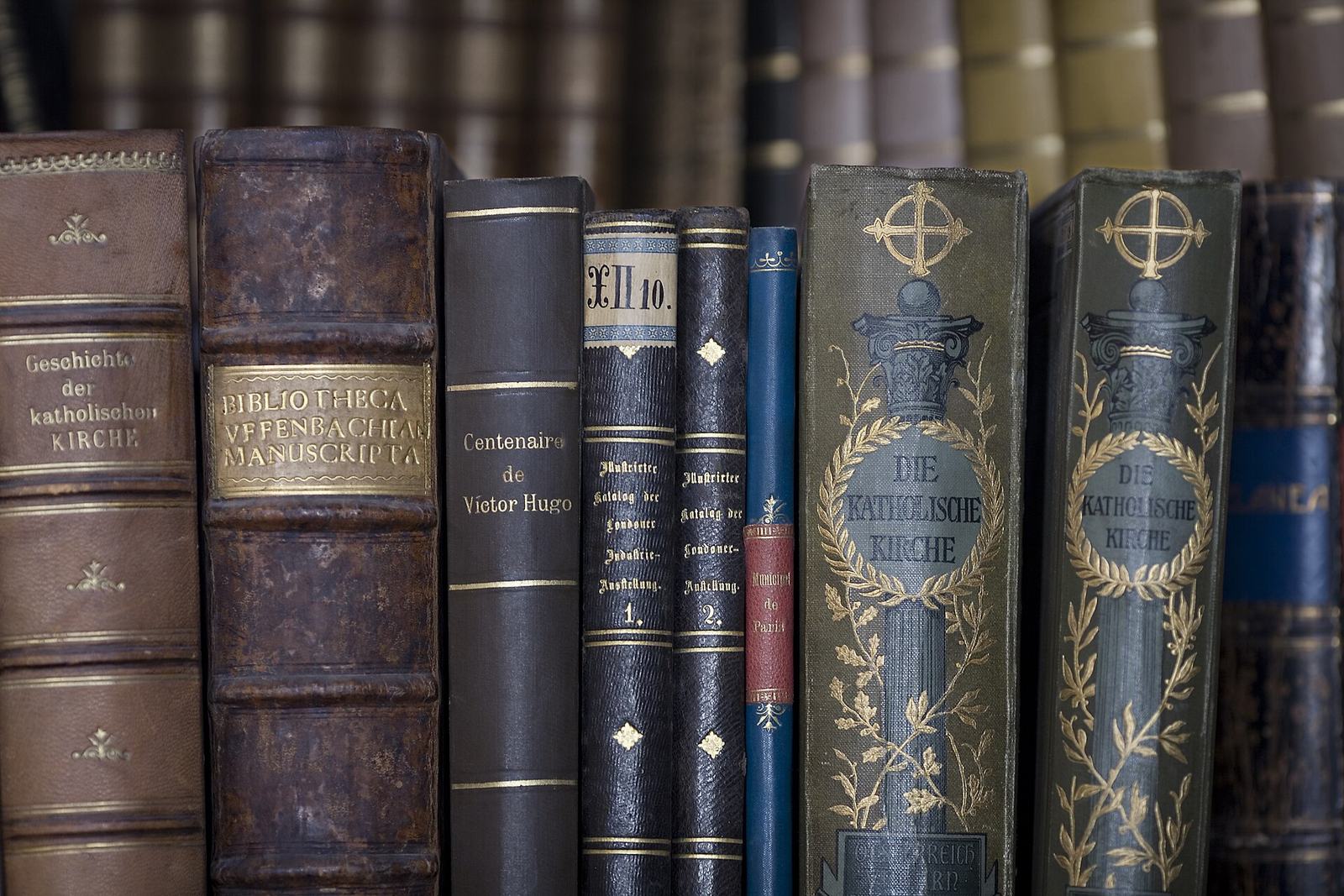
What makes a great mystery novel? The rules writers keep breaking
In 1929 the crime writer Ronald Knox published ten rules for fair-play detective fiction. The best mysteries since have bent them on purpose.
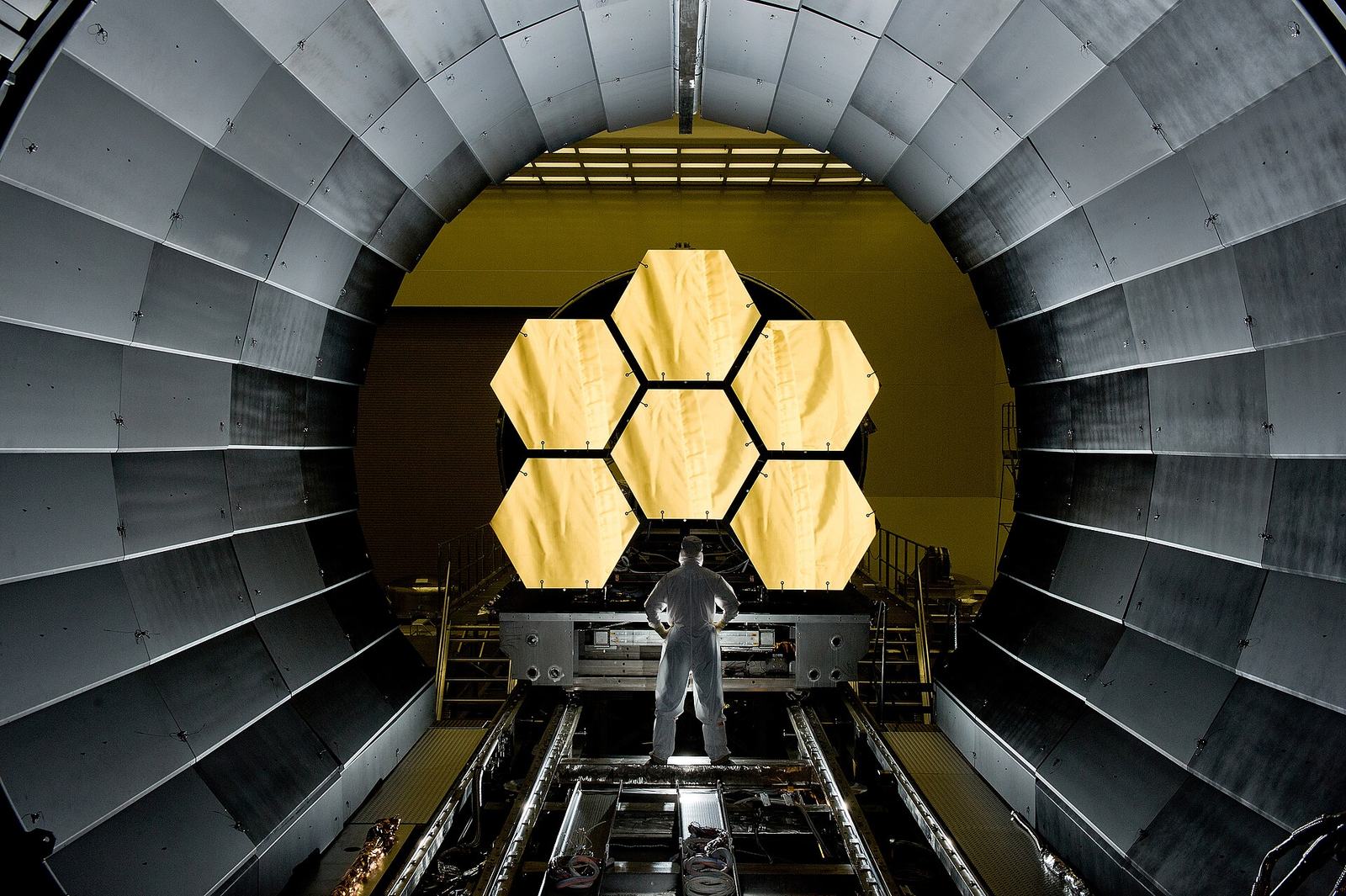
Inside the James Webb Space Telescope
A gold-coated mirror, a sunshield the size of a tennis court and an orbit 1.5 million kilometres away: how Webb sees the early universe.
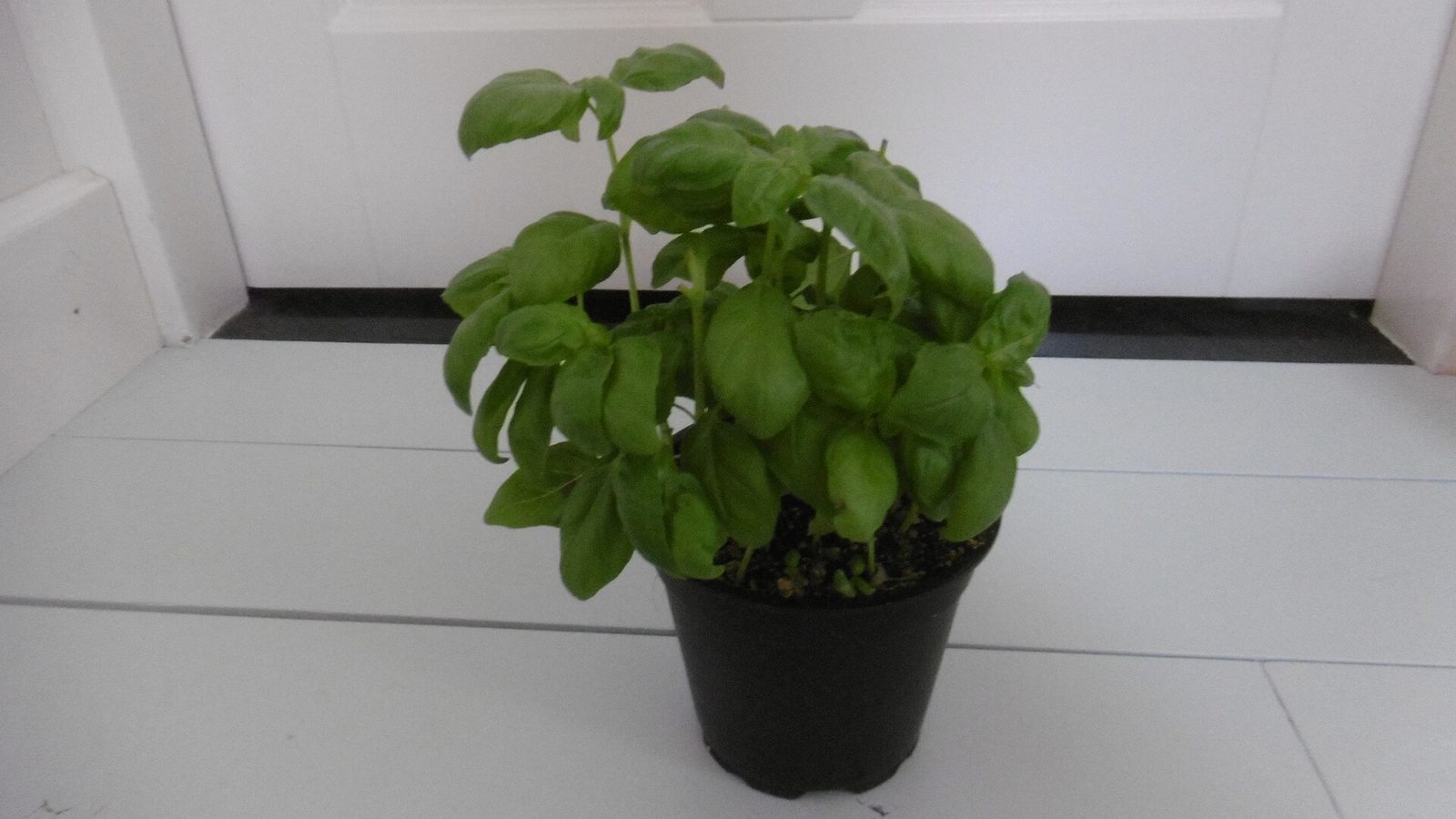
Start a windowsill herb garden in an afternoon
Basil, mint, parsley and chives grow well indoors with enough light and the right pot. Here is how to start.